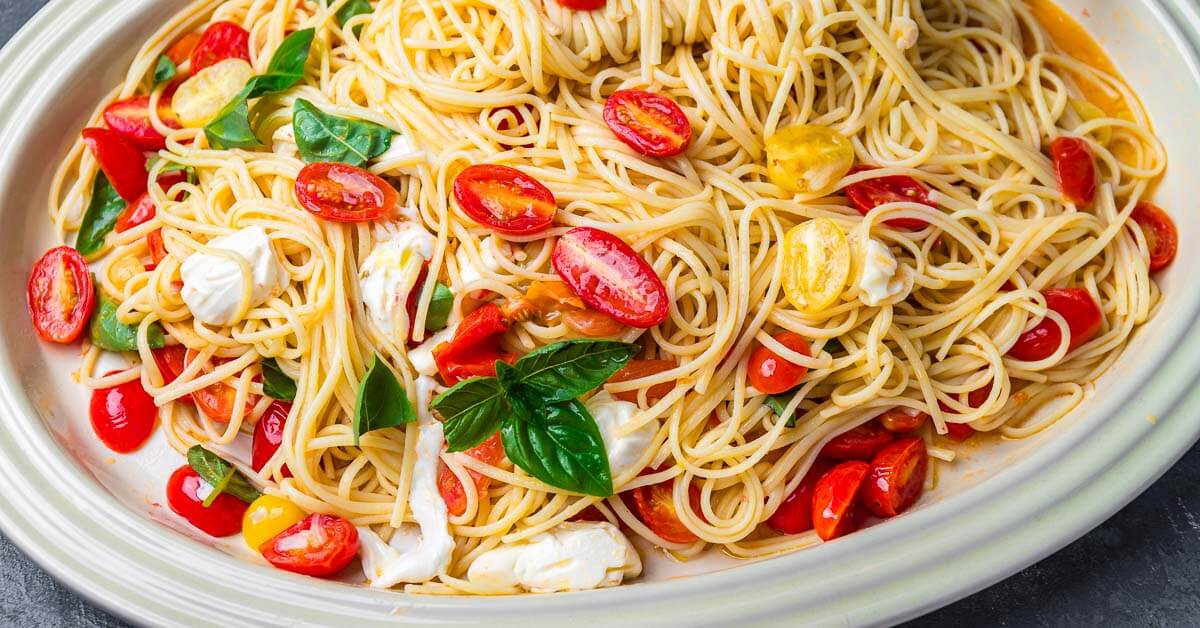
Master Caprese Pasta: Unlocking Flavor Secrets for Sauce, Cheese & Chicken
There are few dishes that evoke the vibrant flavors of Italian summer quite like Caprese. And when you transform that iconic trio of fresh tomatoes, mozzarella, and basil into a comforting pasta dish, you create something truly magical. Caprese pasta is a beloved staple for a reason: it’s versatile, flavorful, and remarkably satisfying. Whether you’re seeking a speedy weeknight meal or a more indulgent, creamy creation, mastering the nuances of the sauce, cheese, and chicken will elevate your Caprese pasta from good to unforgettable.
This comprehensive guide will arm you with the pro tips and insights you need to perfect your Caprese pasta, ensuring every bite is a harmonious blend of tangy tomatoes, rich cheese, fragrant basil, and perfectly seared chicken.
The Heart of Caprese Pasta: Crafting the Perfect Sauce (Creamy & Fresh)
The sauce is the foundation of any great pasta dish, and Caprese pasta offers delightful versatility in this regard. You can lean towards a light, fresh approach or a rich, creamy indulgence. Understanding how to build these flavor profiles is key.
Creamy Tomato Dream Sauce
For a truly decadent experience, a creamy tomato sauce is the way to go. This involves a thoughtful layering of ingredients that build depth and richness. The secret lies in a few crucial steps:
- Building the Base: Start with a flavorful base. Sautéing aromatic garlic in olive oil and butter sets the stage. The addition of flour, cooked for a minute or two, creates a roux that will thicken your sauce smoothly, preventing lumps.
- Tomato Paste Power: Don't underestimate the power of tomato paste. Cooking it down slightly after adding it to the pan intensifies its flavor, giving your sauce a deeper, more concentrated tomato essence. It’s a small step that yields significant returns.
- Liquid Gold: The combination of half and half (or heavy cream for ultimate richness) and chicken broth forms the liquid backbone of your sauce. This provides the creamy texture while the broth adds savory depth. Bring it to a gentle boil, then simmer it low and slow while your pasta cooks to allow the flavors to meld beautifully.
- Wine Wisdom (or Broth Brilliance): A splash of dry white wine, such as Sauvignon Blanc, Chardonnay, or Pinot Grigio, adds a delightful acidity and complexity to the sauce. Reduce it by half before adding other liquids to burn off the alcohol and concentrate the flavor. If you prefer not to cook with wine, an equal amount of chicken broth is a perfectly acceptable and delicious substitute.
- Seasoning Symphony: Beyond salt and pepper, consider a blend of Italian herbs, a pinch of red pepper flakes for a subtle kick, or a touch of sugar to balance the acidity of the tomatoes. Taste and adjust!
Fresh & Vibrant Olive Oil Base
For those times when you crave a lighter, brighter Caprese pasta, especially when garden tomatoes and basil are at their peak, a simple olive oil and garlic base is exquisite. This style, often found in a Minute Caprese Pasta: Quick & Easy Weeknight Meal, celebrates the raw beauty of the ingredients.
- Quality Olive Oil: Use a high-quality extra virgin olive oil. Its fruity, peppery notes will shine through.
- Fresh Garlic: Mince fresh garlic finely and gently sauté it in the olive oil until fragrant, but not browned or burnt, which can turn bitter.
- Raw Tomatoes: Halved or quartered ripe cherry or grape tomatoes are tossed in at the end, allowing their natural juices to mingle with the olive oil and garlic, creating a fresh, uncooked "sauce."
- Basil Infusion: Fresh basil is torn or roughly chopped and stirred in right before serving to preserve its delicate aroma and vibrant color.
Elevating the Cheese Experience: Mozzarella and Parmesan
Cheese is non-negotiable in Caprese, and choosing the right types and preparing them correctly makes all the difference in your Caprese pasta.
- Mozzarella Mastery:
- For Creamy Sauces: Opt for low-moisture, whole milk mozzarella from a block. This type melts beautifully, creating those irresistible, stretchy cheese pulls without releasing excess water into your sauce. Avoid pre-shredded varieties, as they often contain anti-caking agents that hinder smooth melting. Grate it yourself for the best results.
- For Fresh Sauces: Fresh mozzarella balls (bocconcini or ciliegine) packed in water are ideal. Their creamy texture and delicate flavor complement the raw tomatoes and basil perfectly. Drain them well and halve or quarter them before adding to the warm pasta; their residual heat will soften them to perfection.
- Parmesan Perfection: Always grate your Parmesan cheese from a block. Genuine Parmigiano-Reggiano offers a nutty, salty, umami-rich flavor that is far superior to pre-grated options. When stirred into a warm sauce, it melts seamlessly, adding an extra layer of savory depth and contributing to the sauce's body.
When adding cheese to your pasta, especially in a creamy sauce, stir it in gradually over low heat until it just begins to melt. This prevents it from seizing up and ensures an even distribution of cheesy goodness.
Mastering the Chicken: Searing for Flavor and Juiciness
For a complete meal, perfectly cooked chicken is a fantastic addition to your Caprese pasta, turning it into a hearty and satisfying dish like the Creamy Caprese Pasta with Chicken: A Family Favorite. The key is to achieve a beautiful sear while keeping the chicken juicy and tender.
- Prep for Success: Slice boneless, skinless chicken breasts in half lengthwise to create two thinner, more even cutlets. This ensures faster, more consistent cooking and a greater surface area for searing.
- Season Generously: Don't be shy with seasoning! A good quality salt, freshly ground black pepper, garlic powder, onion powder, and Italian seasoning on both sides of the chicken will infuse it with flavor.
- The Flour Dredge: Lightly dredging the seasoned chicken in flour before searing serves multiple purposes: it helps create a gorgeous golden-brown crust, locks in moisture, and contributes to the richness of the pan drippings, which will become part of your sauce.
- Searing Savvy: Heat olive oil in a skillet over medium-high heat until shimmering. Sear the chicken for 3-5 minutes per side, or until deeply golden brown and cooked through (internal temperature of 165°F or 74°C). Avoid overcrowding the pan, as this lowers the temperature and steams the chicken instead of searing it. Work in batches if necessary.
- Rest and Slice: Once seared, remove the chicken from the pan and let it rest for at least 5-10 minutes. This crucial step allows the juices to redistribute, resulting in more tender and flavorful chicken. Then, slice it into strips or dice it before adding it back to the pasta.
If you're not a fan of chicken, or prefer a vegetarian option, feel free to omit it. The Caprese pasta is truly delicious on its own, or you could consider adding white beans for extra protein and texture.
Bringing It All Together: Assembly, Garnish, and Beyond
With your sauce simmering, chicken seared, and cheeses ready, it's time to unite these elements into your spectacular Caprese pasta.
- Pasta Perfection: Any pasta shape works wonderfully for Caprese pasta. Penne, fusilli, rotini, spaghetti, or even farfalle are excellent choices. Cook your pasta al dente according to package directions. Al dente pasta holds its shape better and continues to absorb sauce without becoming mushy. Remember that the pasta will continue to absorb sauce even after plating, so aim for a slightly saucier consistency than you might initially think.
- Combine with Care: Once the pasta is drained, add it directly to your sauce, stirring gently to ensure every strand is coated. Stir in your chosen mozzarella (block or fresh) and cherry tomatoes, allowing the heat of the pasta and sauce to soften them. Finally, add the sliced chicken strips and heat through briefly.
- The Fresh Finish: Fresh basil is non-negotiable for authentic Caprese flavor. Tear or roughly chop generous amounts of fresh basil leaves and stir them in right before serving. The heat of the pasta will release their aromatic oils.
- Balsamic Brilliance: For the ultimate Caprese flair, a drizzle of high-quality balsamic glaze over each serving is a game-changer. Its sweet and tangy notes cut through the richness of the sauce and cheese, brightening the entire dish.
Storage & Reheating Tips
Caprese pasta makes excellent leftovers. Store it in an airtight container in the refrigerator for up to 3 days, or freeze for up to 3 months. When reheating, the best method is on the stovetop over low heat, adding a splash of chicken broth or water to help restore its creamy consistency and prevent it from drying out.
Conclusion
Mastering Caprese pasta is about understanding the interplay of fresh, vibrant ingredients with rich, comforting textures. From the nuanced development of a creamy tomato sauce to the perfect sear on tender chicken and the thoughtful selection of cheeses, each element plays a vital role. By implementing these pro tips, you're not just cooking a meal; you're crafting an experience that celebrates the incredible flavors of Italy, right in your own kitchen. So gather your fresh basil, ripe tomatoes, and quality cheeses, and prepare to delight your family and friends with a Caprese pasta that truly shines.
